The Enduring Glow and Design Power of Neon Signs
There is a specific kind of magic that happens when the sun goes down and the city lights flicker on. Among the myriad of illumination sources, neon signs hold a unique place in our cultural and visual landscape. They are not merely functional markers for businesses; they are artistic statements, nostalgic anchors, and powerful tools for branding. Whether you are a business owner looking to draw foot traffic, an interior designer curating a mood, or an artist seeking a medium that blends light and typography, understanding the nuance of neon is essential.
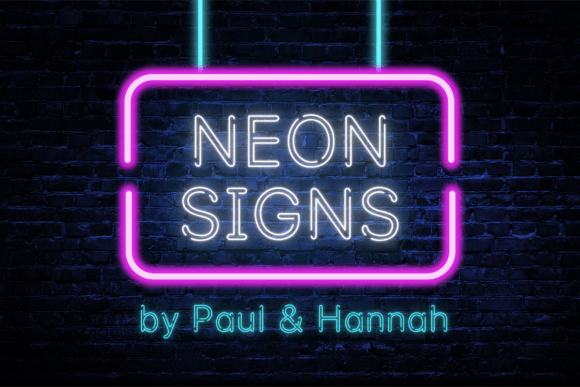
The allure lies in the gas-filled tubes themselves, but equally important is the typography. The distinctive symbols often seen in storefronts rely heavily on neon signs font styles—custom lettering that bends glass into legible, glowing art. This interplay between light and form is what makes these displays so effective at capturing attention in a crowded visual environment.
Beyond the Storefront: Modern Applications of Neon
While the classic image of a buzzing "Open" sign or a diner logo is iconic, the application of neon has evolved significantly. Today, it is used across various industries to create atmosphere and drive engagement.
Hospitality and Retail Branding
For bars, restaurants, and boutique retail shops, a custom neon sign serves as an instant landmark. It acts as a beacon, guiding customers from the street into your space. But beyond visibility, it sets the tone. A warm amber glow suggests comfort and tradition, while cool blues and crisp whites might indicate a modern, high-energy environment.
Consider the psychology of the customer walking past your window. A static printed vinyl decal is easily ignored. A glowing tube, however, triggers a primal attraction to light. By using a bold, custom neon signs font, you communicate personality before the customer even reads the words. A script font might suggest elegance and craft cocktails, while a blocky, industrial typeface could signal a rugged burger joint or a tech-forward workspace.
Interior Design and Residential Spaces
In recent years, neon has migrated from the exterior to the interior, becoming a staple in residential design. Homeowners are increasingly using smaller, LED-based neon alternatives to create focal points in living rooms, bedrooms, and home offices. These pieces often feature inspirational quotes, abstract shapes, or personalized names.
The benefit here is atmospheric control. Unlike harsh overhead lighting, neon provides ambient illumination that can soften a room’s edges. For creative professionals working from home, a subtle neon accent can define a workspace, separating it mentally from the rest of the living area. It transforms a plain wall into a gallery piece, adding depth and color without the permanence of paint or wallpaper.
Events and Experiential Marketing
Weddings, corporate launches, and music festivals have embraced neon as a key decorative element. Photo booths backed by glowing phrases like "Love is Sweet" or brand hashtags encourage social sharing. In this context, the sign is not just decor; it is a tool for user-generated content.
When planning for events, portability and safety are key considerations. Traditional glass neon is fragile and requires high-voltage transformers, making it less ideal for temporary setups. This has led to a surge in flexible LED neon, which mimics the look of traditional glass but is durable, lightweight, and runs on low voltage. For event planners, this means easier installation and reduced risk of breakage during transport.
Choosing the Right Typography and Design
The effectiveness of a neon display hinges largely on its readability and aesthetic appeal. This is where the choice of neon signs font becomes critical. Not all typefaces translate well to bent glass or flexible tubing.
- Script Fonts: These are popular for their elegant, flowing lines. They work beautifully for weddings, beauty salons, and cafes. However, complex ligatures can be difficult to fabricate and may reduce legibility from a distance.
- San-Serif Block Letters: Clean, geometric, and highly readable. These are ideal for corporate branding, tech companies, and modern retail spaces. They are also generally more cost-effective to produce because they involve fewer complex bends.
- Custom Hand-Lettering: For a truly unique look, many designers opt for bespoke lettering. This allows for complete creative freedom but requires a skilled fabricator who can interpret the design into physical tubes.
When selecting a font, consider the viewing distance. If the sign is intended for a large outdoor facade, simplicity is key. Intricate details may get lost in the glow. For indoor installations where viewers are closer, you can afford more complexity and nuance in the typography.
Traditional Glass vs. LED Neon: Practical Considerations
One of the most common questions for those interested in installing neon is whether to go with traditional glass or modern LED. Each has distinct strengths and limitations that should guide your decision.
Traditional Glass Neon offers an authentic, unmatched glow. The light diffuses softly through the glass, creating a warm, organic feel that LEDs struggle to replicate perfectly. It is also highly customizable in terms of color mixing and tube diameter. However, it is fragile, heavier, and requires professional installation due to the high-voltage transformers needed. Maintenance can also be an issue, as individual tubes can burn out or break.
LED Neon Flex, on the other hand, is made from flexible PVC or silicone strips with embedded LEDs. It is shatter-resistant, energy-efficient, and runs on safe, low-voltage power. This makes it ideal for homes, schools, and temporary installations. The downside is that the light can sometimes appear slightly more "digital" or harsh compared to the soft diffusion of glass. Additionally, while improving, the color range and brightness uniformity may not always match the depth of traditional neon.
For most residential and small business applications, LED neon offers a practical balance of aesthetics, safety, and cost. For high-end artistic installations or historic restorations, traditional glass remains the gold standard.
Installation and Safety Tips
Regardless of the type you choose, proper installation is crucial for both safety and longevity. Here are some practical observations to keep in mind:
- Power Source Accessibility: Ensure that the transformer or power supply is accessible for maintenance but hidden from view for aesthetic purposes. Long cords can be unsightly, so plan your layout accordingly.
- Mounting Surface: Neon signs need a solid backing. For glass neon, this is often a painted metal backboard. For LED neon, it can be mounted directly to walls using clear clips or acrylic backings. Ensure the wall can support the weight.
- Weather Protection: If installing outdoors, verify that the sign is rated for external use. Traditional glass neon is naturally weather-resistant, but the electrical components must be housed in waterproof enclosures. LED signs must have an appropriate IP rating for rain and humidity.
- Local Regulations: Check with local zoning laws regarding signage brightness and placement. Some residential areas have restrictions on illuminated signs that could be considered light pollution.
Maximizing Impact Through Strategic Placement
A neon sign is only as effective as its visibility. Placing a bright sign against a busy, cluttered background can diminish its impact. Instead, consider mounting it against a dark, neutral wall to maximize contrast. This allows the light to pop and the colors to appear more vibrant.
Think about the time of day when your audience is most likely to see the sign. For nightlife venues, evening visibility is paramount. For coffee shops, daytime visibility might be more relevant, requiring brighter colors that stand out against sunlight. Testing the sign at different times can help you adjust brightness levels or positioning for optimal effect.
Ultimately, neon signs are more than just lights; they are a fusion of art, technology, and communication. By carefully considering the font, material, and placement, you can create a display that not only attracts attention but also resonates emotionally with your audience. Whether you are aiming for nostalgia, modernity, or pure artistic expression, the right neon design can illuminate your brand in ways that static graphics simply cannot.